When the animated series Jackie Chan Adventures aired its Monkey King arc, it blended martial‑arts spectacle with authentic Chinese folklore, delivering a concise yet memorable narrative that still resonates with busy viewers seeking quick cultural insight. The storyline, spanning a handful of episodes in the show’s fourth season, pits Jackie and his allies against the mischievous yet powerful Sun Wukong, offering clear lessons about responsibility, teamwork, and mythic symbolism.
What is the Monkey King storyline and why does it matter?
The Monkey King saga unfolds across three episodes—“Enter the Dragon,” “The Monkey’s Paw,” and “The Return of the Dragon”—where Jackie discovers that the ancient jade amulet he protects is actually the mystical staff of Sun Wukong. The series uses the amulet as a plot device to introduce the Monkey King’s legendary attributes: shape‑shifting, cloud‑walking, and a penchant for trickery. By the finale, Jackie must outwit the Monkey King’s cunning allies, reclaim the staff, and restore balance to the magical realm.
- Core conflict: A battle of wits between Jackie’s pragmatic problem‑solving and Sun Wukong’s chaotic ingenuity.
- Key moments: Jackie learns the “Golden Fist” technique to counter the Monkey King’s staff, echoing the classic “rock‑paper‑scissors” dynamic.
- Resolution: The Monkey King is sealed within a jade orb, echoing traditional Chinese tales where powerful beings are constrained for humanity’s safety.
How does the show weave Chinese mythology into modern animation?
Instead of relying on generic monster‑of‑the‑week formulas, the series embeds authentic mythic elements—such as the “Peach of Immortality” and “Pilgrimage of the Buddha”—into its episodic structure. Each mythic reference is paired with a clear, action‑driven set piece that lets viewers grasp the cultural significance without lengthy exposition. For instance, the episode’s “Cloud‑Walking” chase sequence visually demonstrates the Monkey King’s supernatural mobility, while a brief on‑screen caption explains its origin in Taoist folklore.
- Use of authentic names: “Sun Wukong” (the Monkey King) is never Anglicized, preserving linguistic integrity.
- Visual shorthand: Iconic symbols—like the staff (Ruyi Jingu Bang) and the gold‑banded circlet—appear consistently, reinforcing mythic identity.
- Lesson‑driven plots: Jackie often learns a moral (e.g., humility over hubris) that mirrors the moral underpinnings of classic Chinese tales.
Why does the Monkey King arc still attract new viewers?
Busy audiences today appreciate content that delivers cultural depth in bite‑sized episodes. The Monkey King arc accomplishes this by condensing a centuries‑old legend into a thirty‑minute narrative, making the myth accessible while retaining its dramatic punch. Moreover, the arc’s emphasis on problem‑solving—Jackie’s reliance on logic and teamwork—parallels contemporary workplace challenges, turning mythic conflict into a practical case study.
Streaming platforms now list the Monkey King episodes as “highlighted classics,” indicating sustained demand. Viewers report that the arc’s blend of humor, combat choreography, and authentic folklore provides a refreshing alternative to the typical superhero formula, reinforcing the series’ reputation as both entertaining and instructive.
What can creators learn from the Monkey King integration?
Producers looking to embed cultural narratives into action‑driven series can extract three actionable takeaways:
- Selective depth: Introduce mythic elements through tangible objects (e.g., a staff) rather than abstract exposition.
- Visual consistency: Repeating symbolic imagery helps audiences recognize and retain cultural references.
- Outcome‑focused storytelling: Align mythic conflict with contemporary values—teamwork, innovation, and ethical decision‑making—to keep the narrative relevant.
By following these guidelines, modern animated series can honor heritage while delivering the fast‑paced excitement that today’s pragmatic viewers expect.
Camphene - American Chemical Society
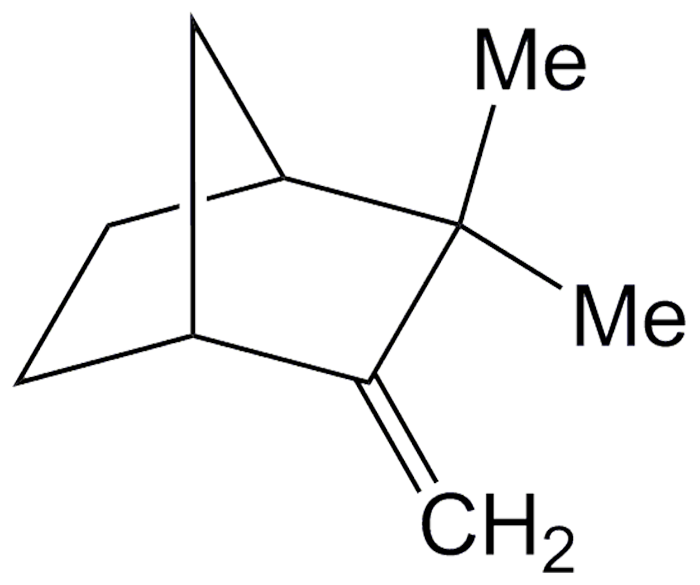
Camphene - American Chemical Society
Camphene Molecular Structure Isolated On White Stock Photo - Download

Camphene Molecular Structure Isolated On White Stock Photo - Download ...
CAMPHENE | 5794-04-7
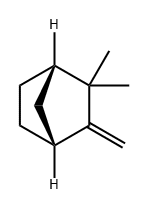
CAMPHENE | 5794-04-7
Chemical Structure Of (+)-camphene, P-cymene, And Geranyl Acetate

Chemical structure of (+)-camphene, p-cymene, and geranyl acetate ...
Camphene | SIELC Technologies
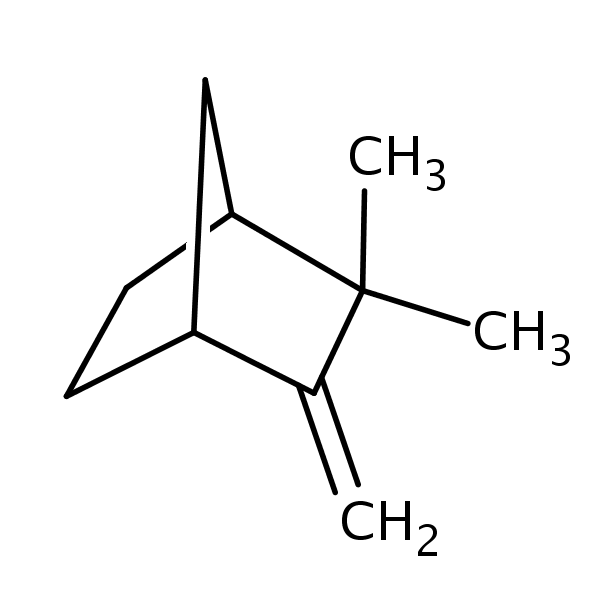
Camphene | SIELC Technologies