Property owners and developers in Jefferson County face a maze of zoning regulations that can derail projects before a single brick is laid. Recent council meetings have highlighted a surge in variance requests, many stemming from avoidable oversights. Understanding the most frequent errors and the proactive steps that replace them is essential for anyone seeking to stay on the right side of the county’s land‑use rules.
What missteps cost developers the most?
When a plan clashes with the official zoning map, the first instinct is to file a variance. In practice, this route often leads to costly hearings, delayed timelines, and unexpected fees. The most common pitfalls include:
- Assuming “residential” automatically permits a home‑office conversion. The county distinguishes between “R‑1” single‑family zones and “R‑2” multi‑family districts, each with distinct accessory‑use limits.
- Overlooking setbacks. Even a few feet beyond the required front or side setbacks can trigger a non‑conformance notice that halts construction.
- Ignoring overlay districts. Historic preservation or flood‑plain overlays impose additional constraints that the base zoning table does not reveal.
- Failing to verify parking requirements. A miscalculation of required spaces can force redesigns after permits are issued.
How can a researcher verify the correct zone before buying?
Smart due diligence begins with the Jefferson County GIS portal. By entering an address, users can pull the parcel’s zoning designation, see any active overlays, and download the precise code excerpts that apply. Cross‑checking this data against the county’s “Zoning Ordinance” PDF ensures that no hidden restrictions slip through.
Step‑by‑step verification
- Locate the parcel on the GIS map and note the alphanumeric zone (e.g., “C‑2”).
- Open the corresponding zoning chapter on the county website and read the permitted uses list.
- Check the “Overlay” tab for historic, environmental, or design‑review districts.
- Confirm setback, height, and lot‑coverage limits by consulting the “Dimensional Standards” table.
- Document findings in a brief memo before proceeding with any purchase agreement.
Why is early engagement with the Planning & Zoning Department smarter than waiting for a violation?
County staff offer informal pre‑application meetings that cost nothing but can save months of rework. During these sessions, officials can flag potential conflicts, suggest minor plan adjustments, and advise on the most appropriate permit pathway—whether a standard building permit, a conditional use permit, or a variance.
For example, a developer in the West Jefferson “C‑3” commercial zone wanted to add a rooftop deck. An early conversation revealed that the deck height exceeded the zone’s 12‑foot limit, but a simple redesign to a cantilevered awning met the same aesthetic goal while staying compliant. The project moved forward without a variance request.
What alternatives exist when a desired use is not outright permitted?
When the zoning map says “no,” the county often provides a legal avenue that respects both the applicant’s intent and community standards.
- Conditional Use Permit (CUP): Allows a use that is not listed as permitted but is deemed appropriate under specific conditions, such as limited operating hours for a home‑based bakery.
- Variance: Grants relief from dimensional standards (setbacks, height) when strict compliance would cause undue hardship. Documentation must include a site‑specific impact analysis.
- Zone Change (Rezoning): A longer process that involves public hearings and a formal amendment to the zoning map, typically used for large‑scale developments.
What are the consequences of ignoring a compliance notice?
County code enforcement can issue a stop‑work order, levy daily fines, and, in extreme cases, pursue legal action to compel demolition or restoration. These penalties compound quickly: a $250 daily fine for a month translates to $7,500, not to mention the reputational damage among neighbors and local officials.
What immediate actions should owners take after receiving a notice?
Time is of the essence. The first move is to contact the issuing officer to clarify the specific violation. Next, assemble all relevant plans, permits, and correspondence, then request a formal meeting to discuss corrective steps. In many instances, a minor amendment to site plans or a quick filing of a missing document resolves the issue within weeks.
By treating zoning compliance as an integral part of project planning—not an afterthought—Jefferson County stakeholders can avoid costly delays, maintain good standing with the community, and keep their developments on schedule.
(FOTO) Oproštaj Od Armina: Klanjana Dženaza Sinu Enesa Begovića
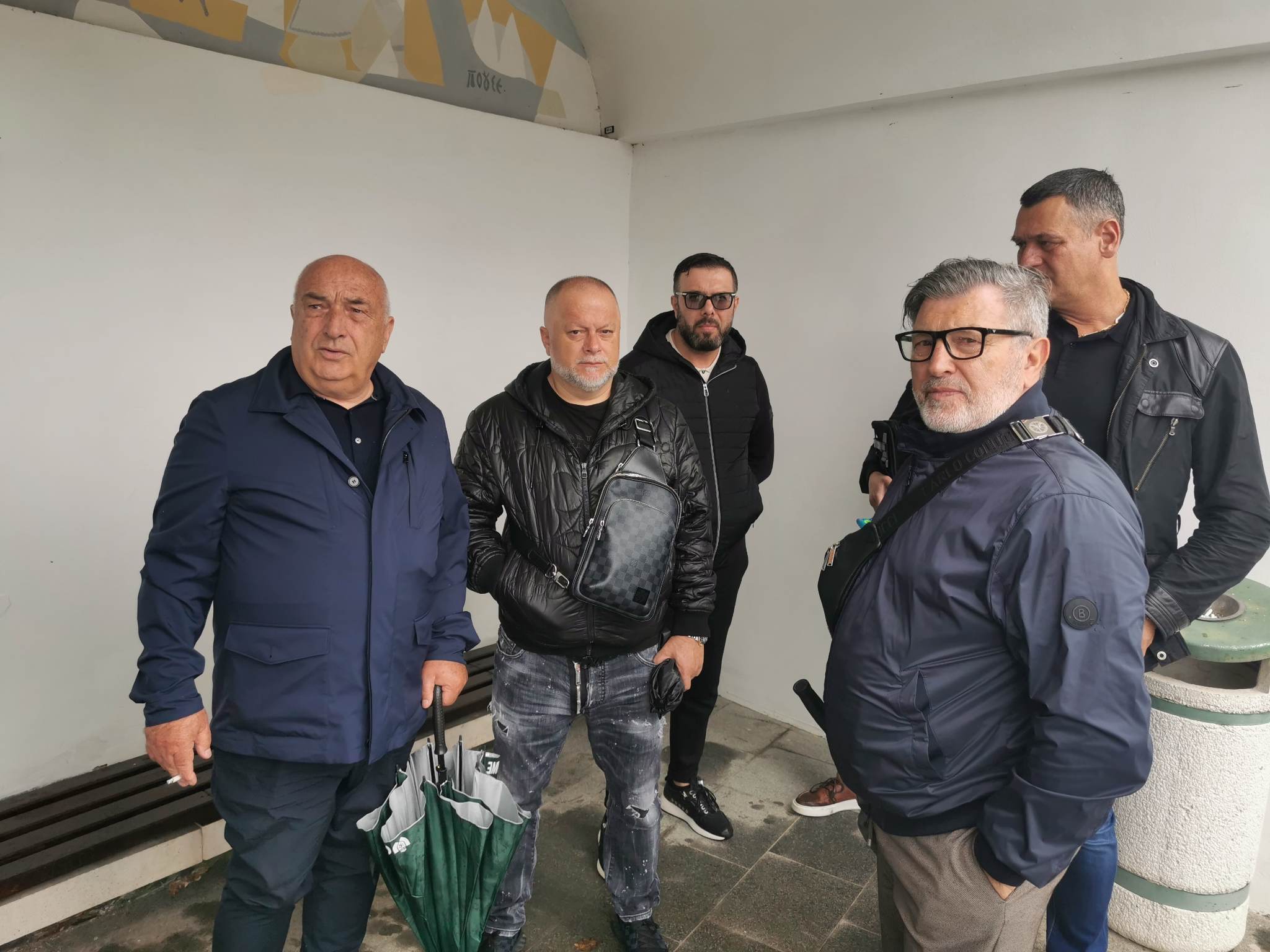
(FOTO) Oproštaj od Armina: Klanjana dženaza sinu Enesa Begovića