Beadwork has long served as a canvas for personal storytelling and cultural identity. Today, a growing library of free, authentic Native American patterns gives hobbyists and seasoned artisans alike the chance to create pieces that reflect heritage, values, or simply artistic flair, all without the cost barrier that once limited access.
Why Free Patterns Matter
When a pattern is freely available, the barrier to entry drops from financial to educational. That means:
- Instant access for beginners who can test techniques without buying a full kit.
- Greater experimentation—designers can mix motifs from different tribal traditions to create unique hybrids.
- Preservation of cultural knowledge, as more people keep patterns alive by reproducing them.
Choosing Patterns That Speak to You
Not all patterns are created equal. Consider the following criteria before you start:
- Historical Authenticity – Verify that the pattern originates from a documented Native American source. Look for references to tribal names or traditional uses.
- Design Complexity – Simpler motifs are faster to complete and ideal for beginners, while intricate designs challenge advanced beaders and can command higher resale value.
- Color Palette – Native patterns often rely on natural dyes (e.g., indigo, ochre). If you plan to use synthetic beads, choose colors that echo the original hues to maintain authenticity.
Practical Techniques for Modern Beading
Adopting contemporary methods can streamline the process without compromising tradition:
- Needlework vs. Wire – Needles allow fine detail; wires provide durability for jewelry.
- Threaded Beads – Thread beads on a flexible thread to create soft, flowing garments; use rigid thread for structured items like brooches.
- Template Tracing – Print the pattern, cut a tracing sheet, and use it to lay beads in exact positions. This ensures symmetry even if you’re new to geometry.
Digital Tools & Community Resources
Today’s beaders can harness technology to learn, create, and share:
- Open-Source Pattern Libraries – Platforms such as PatternShare host thousands of downloadable templates, many tagged with tribal origins and recommended bead types.
- Video Tutorials – YouTube channels run by master beadists break down complex patterns step by step, often offering tips on avoiding common mistakes.
- Peer Forums – Communities like BeadTalk allow you to upload completed pieces, request critiques, and exchange bead sources.
From Personal Expression to Market Viability
Once you master a pattern, consider these next steps to turn passion into profit:
- Storytelling Packaging – Include a small card that explains the pattern’s tribal origin and symbolic meaning. Authentic narrative boosts perceived value.
- Limited Edition Runs – Release a small batch to create scarcity and attract collectors interested in culturally significant work.
- Online Presence – Build a simple shop on platforms like Etsy, linking each piece to its source pattern and the cultural context.
Ensuring Cultural Respect and Sustainability
Free patterns offer accessibility, but respect remains paramount:
- Always credit the original source or tribe.
- Avoid appropriation by sticking to patterns you understand culturally.
- Consider supporting Native artists by purchasing beads from suppliers who share profits with the communities that inspired the designs.
By leveraging free Native American patterns, you can create compelling jewelry or garments that honor tradition, express individuality, and open doors to new creative and commercial possibilities. Start with a simple motif, practice the techniques outlined above, and gradually explore more complex designs—your beadwork journey is only limited by the patterns you choose to embrace.
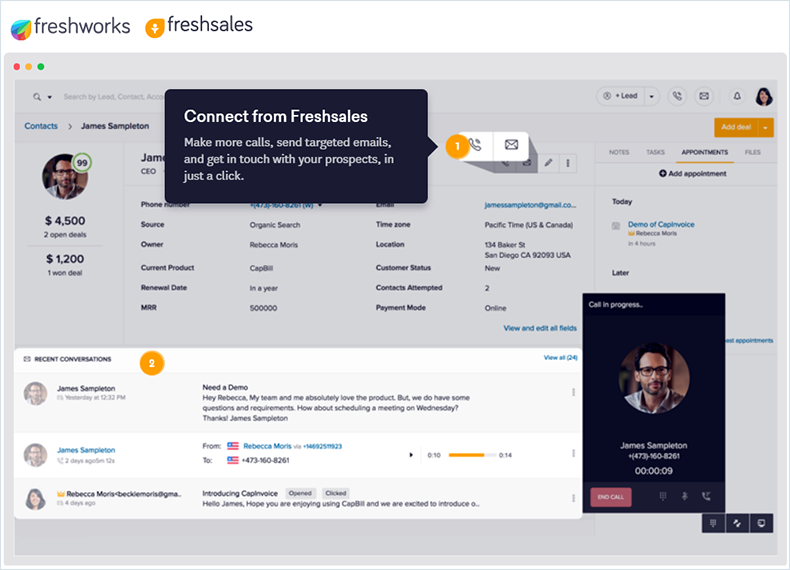
Free CRM Software For Your Business In 2026 | Freshsales

Free CRM Software for Your Business in 2026 | Freshsales
Top 7 Free And Open Source CRM Software 2025
Top 7 Free and Open Source CRM Software 2025